
Zero Fluorochemicals. Zero PFAS.
Most Class B firefighting foams have historically relied on fluorochemical surfactants to deliver fast spreading and effective fire suppression.
While effective, these chemicals are a major source of PFAS - widely known as “forever chemicals” because they persist in the environment, contaminate groundwater, and are extremely difficult to break down.
PFAS contamination linked to firefighting foam use has become a significant global issue, particularly at airports, defence sites, training grounds and industrial facilities.
High-profile contamination cases in Australia, include: Katherine in the Northern Territory and Williamtown in NSW and 26 other Defence Sites - highlighting the long-term environmental and community impact leading to a $2 Billion lawsuit against 3M by the Federal Government.
As regulation tightens and major manufacturers move to exit PFAS production
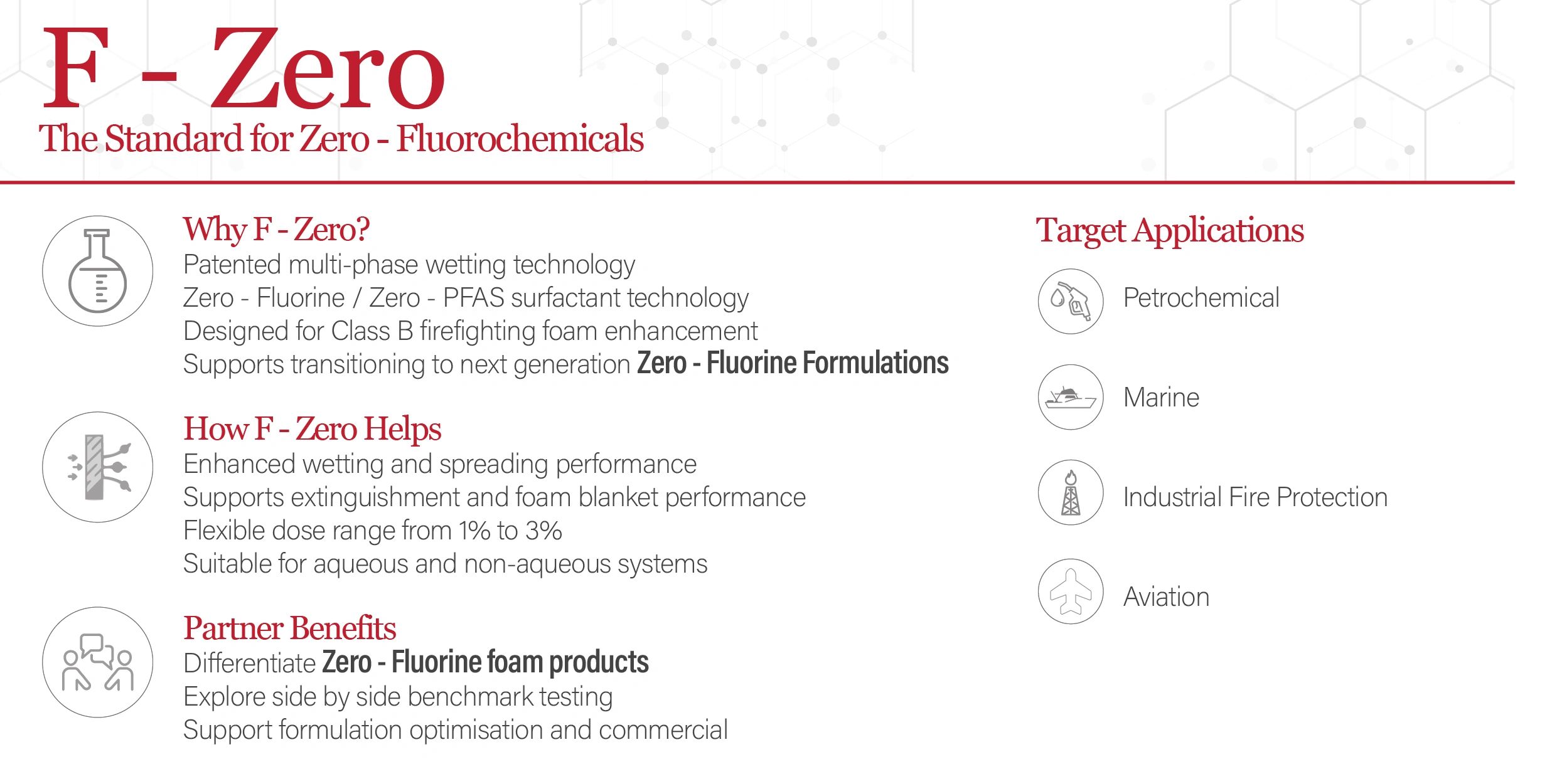
AWT's technology delivers strong spreading performance without relying on fluorochemicals and has been tested against recognised firefighting foam standards, including UK DEF STAN 42-40/2 and European Standard EN1568 for Class B liquids.
Independent flame testing at the University of New South Wales has also shown performance comparable to and in some cases better than, traditional fluorochemical-based foams.
High-performance fire suppression for the next generation of firefighting foam
AWT’s fluorine-free foam technology is already being manufactured in Melbourne and used commercially in Australian fire extinguishers and is believed to be among the only fully fluorine-free firefighting foam technologies manufactured and used in Australia.
PFAS-containing fire-fighting foams are used for extinguishing liquid fires such as fires in oil, jet fuel, other non-water-soluble hydrocarbons, alcohols and acetone.
Although relatively small quantities of PFAS are currently used in fire-fighting foams (class B for extinguishing flammable liquid fires), these foams are an important use category because the foams and the chemicals they contain are released directly into the environment.
Reference - "Gluge et al 2020"
This website uses cookies.
We use cookies to analyze website traffic and optimize your website experience. By accepting our use of cookies, your data will be aggregated with all other user data.