

PFAS: Why “Free” Is Not Enough - It Must Be Zero
PFAS are a group of synthetic fluorinated chemicals historically used in firefighting foams and many industrial products because of their resistance to heat, water, oil and chemicals.
In aqueous film-forming foams (AFFF), PFAS helped create fast-spreading, fuel-sealing foam blankets. While effective in fire suppression, PFAS has left a serious environmental legacy.
Often called “forever chemicals,” PFAS do not readily break down. Once released, they can persist in soil, groundwater, waterways and sensitive environments for decades - creating long-term risks for individuals, communities, industry, wildlife and ecosystems.
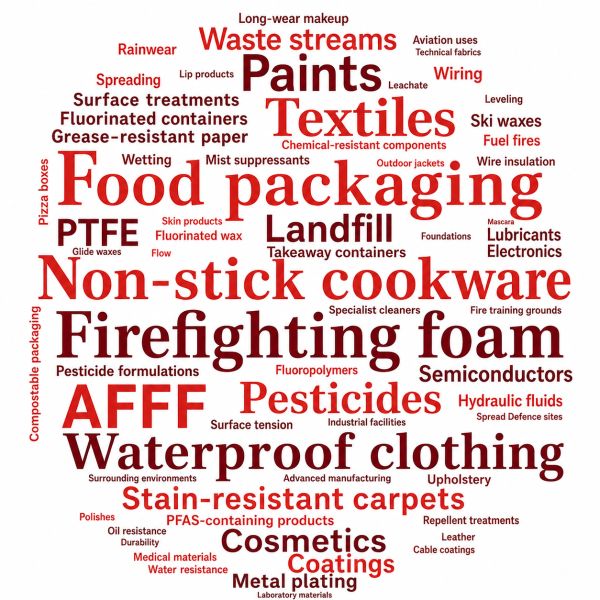
Where PFAS Can Be Found
PFAS has been used in thousands of products because it can resist heat, water, oil, grease and chemicals. Refer to table for common examples.
This widespread use is why PFAS contamination is not limited to one industry.
It can affect homes, workplaces, airports, defence sites, industrial facilities, farms, waterways and landfill areas.
